UPVC versus wood for exterior applications: A critical decision for any homeowner or architect. This deep dive examines the strengths and weaknesses of each material, guiding you through the essential factors to consider before making a choice. From aesthetics and cost to sustainability and long-term maintenance, we’ll cover it all. Understanding the nuances of each material is crucial to achieving a beautiful, durable, and efficient exterior.
This comprehensive comparison helps you make an informed decision that aligns with your project goals.
Exterior materials are the first impression of a building, impacting both aesthetics and performance. Choosing between UPVC and wood for exterior applications necessitates considering factors like climate, design preferences, and budget. This exploration unveils the intricate details behind each material, allowing you to weigh the pros and cons with confidence.
Introduction to Exterior Materials
Exterior materials are the first line of defense against the elements and play a crucial role in a building’s aesthetics and longevity. Choosing the right material impacts everything from energy efficiency to maintenance needs and the overall architectural statement. Understanding the different types, their characteristics, and how they interact with architectural design is vital for informed decision-making.A building’s exterior reflects its function and style.
Traditional materials, like brick and wood, often evoke a sense of history and permanence, while modern materials, like vinyl and UPVC, offer greater flexibility and design possibilities. The selection process must consider factors such as budget, durability, aesthetic preferences, and environmental impact.
Common Exterior Building Materials
Exterior building materials are diverse, each with unique properties and applications. Wood, brick, stone, vinyl, and UPVC are popular choices, each offering different strengths and weaknesses. The choice depends heavily on the specific project’s needs and design goals.
Traditional Versus Modern Materials
Traditional materials often prioritize natural aesthetics and historical context. Wood, for instance, has been a cornerstone of construction for centuries, offering warmth and character. Brick, similarly, stands for durability and a timeless quality. These materials frequently require more maintenance but also offer a distinct visual appeal.Modern materials, in contrast, prioritize efficiency, ease of maintenance, and design flexibility.
Vinyl and UPVC siding, for example, are engineered for durability and low maintenance. These materials can mimic the appearance of other, more expensive materials while minimizing the ongoing cost of upkeep.
Role of Exterior Materials in Architectural Design
Exterior materials are integral to a building’s architectural design. The selection of materials significantly influences the overall visual impact, creating a distinct aesthetic that reflects the building’s purpose and style. Consider a contemporary building clad in sleek metal panels versus a traditional home with weathered wood siding; the material choices tell a story.
Examples of Exterior Materials in Various Architectural Styles
A Victorian home might feature intricate wood carvings and brick facades. A modern home might opt for smooth, contemporary siding like vinyl or metal. A rustic cabin might embrace natural wood and stone, emphasizing a connection with nature. These choices reflect the desired atmosphere and evoke specific architectural styles.
Comparison of Exterior Materials
| Material | Pros | Cons |
|---|---|---|
| Wood | Warm aesthetic, natural beauty, excellent insulation, diverse finishing options. | Susceptible to rot, insect damage, fire, and requires regular maintenance. |
| Brick | Durable, fire-resistant, aesthetically pleasing, long lifespan, relatively low maintenance. | High initial cost, heavy, can be prone to cracking. |
| Stone | Durable, aesthetically pleasing, naturally beautiful, high perceived value, long lifespan. | High initial cost, heavy, requires specialized installation, susceptible to weathering in certain climates. |
| Vinyl | Low maintenance, resists rot and insects, durable, various colors and styles, relatively low initial cost. | Can be less aesthetically pleasing, less insulation compared to wood or brick, can be prone to fading. |
| UPVC | Low maintenance, highly durable, weather-resistant, long lifespan, diverse color options, relatively low initial cost. | Can be less aesthetically pleasing than wood or stone, some may find the appearance less visually appealing. |
Understanding UPVC
UPVC, or unplasticized polyvinyl chloride, is a versatile and popular material for exterior applications. Its unique combination of properties makes it an attractive alternative to traditional materials like wood. Understanding its composition, manufacturing, and available types is crucial for making informed decisions about its suitability for your project.UPVC’s strength lies in its inherent durability and resistance to various environmental factors.
This makes it an excellent choice for long-lasting exterior applications, particularly in harsh climates. The material’s cost-effectiveness is another key advantage, making it a budget-friendly option compared to some alternatives.
Composition and Properties of UPVC
UPVC is primarily composed of polyvinyl chloride (PVC) polymer chains. The absence of plasticizers gives it its unplasticized nature, leading to enhanced rigidity and durability. This crucial characteristic makes it highly resistant to weathering, moisture, and a range of chemicals, crucial for exterior use. Its chemical inertness prevents deterioration from various substances and its rigidity prevents deformation from high or low temperatures.
Manufacturing Processes of UPVC Profiles
The manufacturing of UPVC profiles involves several key steps. The initial stage typically involves extruding the PVC resin into a desired shape. This extruded material is then cut, shaped, and assembled to create the final profile. The process often involves specialized machinery and stringent quality control measures to ensure consistent quality. Advanced techniques like co-extrusion are used to add different layers for enhanced aesthetics and performance, leading to a wider range of possible applications.
Types of UPVC Profiles for Exterior Applications
A wide array of UPVC profiles are available, tailored to specific needs. These profiles can be categorized based on their intended use, design, or aesthetic requirements. Standard profiles are often chosen for cost-effectiveness, while customized designs allow for a wider range of architectural styles.
- Standard Profiles: These profiles are the most commonly used, offering a balance of performance and affordability. They are readily available and suitable for many exterior applications, providing excellent value.
- Custom Profiles: These profiles offer greater design flexibility, allowing for complex shapes and bespoke aesthetics. They are often used in high-end or unique architectural projects, enabling greater creativity in design.
- Reinforced Profiles: These profiles incorporate additional reinforcement to enhance their structural integrity. This is especially important in areas with high wind loads or potential impact, ensuring resilience in challenging environments.
Advantages of UPVC for Exterior Use
UPVC offers a multitude of benefits for exterior applications. Its resistance to rot, decay, and insect infestation is a key advantage over traditional materials. The material’s low maintenance requirements are also a significant benefit, minimizing long-term upkeep costs.
- Durability: UPVC’s inherent resistance to weathering, moisture, and UV radiation ensures its longevity, requiring minimal maintenance over time. This makes it a superior choice for long-term exterior use.
- Low Maintenance: The material requires minimal upkeep, drastically reducing the need for painting, repairs, or replacements compared to other materials. This translates to significant cost savings and reduced labor over time.
- Security: UPVC profiles can be designed with reinforced structures for enhanced security, creating a more secure barrier against unauthorized access.
UPVC Finishes and Characteristics
Different finishes are applied to UPVC profiles to enhance aesthetics and performance. The choice of finish significantly impacts the appearance and durability of the final product.
| Finish Type | Characteristics |
|---|---|
| Painted | Offers a wide range of colors and finishes, mimicking other materials like wood or metal. Requires regular maintenance and touch-ups. |
| Powder Coated | Provides a durable, high-gloss finish with superior weather resistance and color retention. Offers a wider range of colors than painted finishes. |
| Anodized | Creates a strong, protective layer with exceptional resistance to corrosion. Commonly used for outdoor applications, providing a visually appealing, long-lasting finish. |
| Wood Grain Finishes | Provides a visually appealing wood-like finish without the inherent maintenance issues of real wood. Often used for aesthetic purposes, offering a blend of modern and classic styles. |
Understanding Wood
Wood, a natural material, offers a unique aesthetic appeal and diverse properties for exterior applications. Its inherent warmth and natural beauty often complement architectural designs, but its performance characteristics depend heavily on the species and treatment. Understanding the nuances of wood selection, treatment, and lifespan is crucial for making informed decisions.Wood’s strength and durability, while variable, make it a suitable option for exterior use when properly maintained.
However, its susceptibility to rot, decay, and insect infestation necessitates careful consideration of treatment and regular maintenance. Choosing the right wood type and applying appropriate finishes are essential to maximize its longevity and minimize maintenance requirements.
Wood Types Suitable for Exterior Use
Different wood species exhibit varying degrees of resistance to weathering and decay. The inherent properties of a wood type significantly influence its suitability for exterior applications. Hardwoods, known for their density and strength, often perform better than softwoods in demanding exterior environments. Proper selection is crucial to avoid costly replacements.
- Hardwoods, like oak and teak, are denser and stronger than softwoods, making them generally more durable and resistant to rot and insect infestation. Their natural oils and resins often contribute to their resilience.
- Softwoods, like pine and cedar, are less dense and often less resistant to decay than hardwoods. However, they can be treated to enhance their lifespan and performance in exterior applications. Proper treatments and finishes are crucial to their longevity.
Exterior Wood Treatments and Finishes
Exterior wood treatments and finishes play a critical role in protecting the wood from the elements. The right choice of treatment extends the wood’s lifespan, minimizing maintenance requirements. A range of options exists, from natural oils to advanced chemical treatments.
- Preservatives: Chemical treatments are widely used to protect wood from decay, rot, and insect infestation. These treatments can significantly extend the lifespan of the wood in demanding exterior environments.
- Oils and stains: Natural oils and stains offer aesthetic appeal while also providing some protection against moisture and UV radiation. Regular reapplication is often necessary to maintain their effectiveness.
- Paints and sealants: Paints and sealants offer comprehensive protection against the elements. They provide a durable barrier and are typically used to enhance the aesthetic appeal of the wood.
Lifespan and Durability of Different Wood Types
The lifespan of exterior wood is highly dependent on the wood species, treatment, and environmental conditions. Climate, exposure to moisture, and sunlight significantly influence the durability of the wood.
- Factors impacting lifespan: Exposure to moisture, UV radiation, and temperature fluctuations are significant factors. The presence of insects and rot-inducing fungi further accelerates deterioration.
- Durability varies: Hardwoods like ipe and teak are known for exceptional durability, with lifespans often exceeding 20 years under favorable conditions. Softwoods, on the other hand, typically have shorter lifespans if not treated properly.
Sustainability of Wood
Wood is a renewable resource, often touted as a sustainable alternative to some materials. Sustainable forestry practices can ensure the continued availability of wood for future generations. However, the environmental impact of harvesting and processing wood varies significantly.
- Renewable resource: Wood is a renewable resource if harvested responsibly. Sustainable forestry practices, emphasizing reforestation, can help ensure the long-term availability of wood.
- Environmental considerations: The environmental impact of harvesting, processing, and transporting wood needs to be assessed. Responsible forestry practices are critical for minimizing the ecological footprint.
Wood Species and Climate Suitability
The suitability of a wood species for a specific climate depends on its resistance to moisture, temperature fluctuations, and local pests. Understanding these factors is essential for making informed decisions.
- Tropical climates: Species like teak and ipe, known for their resistance to decay and insects, are well-suited for tropical climates.
- Temperate climates: Species like cedar and redwood, possessing moderate resistance to decay, are often used in temperate climates. Proper treatments are critical for longevity.
Comparison of Wood Types for Exterior Use
| Wood Type | Pros | Cons |
|---|---|---|
| Teak | High durability, resistance to decay and insects, attractive appearance | High cost, requires specialized maintenance |
| Ipe | Exceptional durability, resistance to decay and insects, beautiful appearance | High cost, heavy weight |
| Cedar | Moderate durability, naturally resistant to rot, relatively affordable | Susceptible to decay in extreme climates, needs regular maintenance |
| Pine | Low cost, readily available | Low durability, susceptible to decay and insects, requires extensive treatment |
Comparing UPVC and Wood
Choosing between UPVC and wood for exterior applications requires a careful assessment of their respective strengths and weaknesses. Both materials offer distinct advantages and disadvantages in terms of aesthetics, cost, maintenance, and environmental impact. Understanding these differences is crucial for making an informed decision that aligns with your specific needs and priorities.This comparison delves into the key aspects of UPVC and wood, examining their visual appeal, financial implications, long-term upkeep, resistance to the elements, and environmental footprint.
A comprehensive understanding of these factors is vital for selecting the ideal material for your exterior project.
Aesthetic Qualities
UPVC offers a wide range of colors and finishes, allowing for customization to match various architectural styles. Wood, while naturally beautiful, exhibits inherent variations in grain and color that can enhance the unique character of a structure. The aesthetic choice depends on personal preference and the desired architectural expression.
Cost Differences
Initial installation costs for UPVC are often lower than for wood. However, the long-term maintenance and repair costs can vary significantly depending on the quality of materials and the specific circumstances of the project. Factors such as labor rates and the complexity of the design influence the overall price.
Maintenance Requirements
UPVC requires minimal maintenance, primarily involving occasional cleaning to remove dirt and debris. Wood, on the other hand, demands regular upkeep, including painting, staining, or sealing to protect it from the elements and prevent decay. The frequency of maintenance for wood is contingent on factors such as climate and exposure.
Resistance to Weather Conditions
UPVC demonstrates excellent resistance to moisture, rot, and insect damage. Wood, while aesthetically pleasing, is susceptible to these issues without proper protection. The degree of protection required for wood depends on the local climate and the level of exposure to the elements.
Environmental Impact
The environmental impact of both materials varies. UPVC production often involves energy-intensive processes, whereas wood, when sourced sustainably, can contribute to carbon sequestration. Choosing responsibly sourced wood and recycled UPVC materials can significantly mitigate the environmental footprint.
Lifespan, Maintenance, and Cost Comparison
| Feature | UPVC | Wood |
|---|---|---|
| Lifespan | Typically 20-30 years with proper installation | Typically 20-50 years with proper maintenance |
| Maintenance | Minimal, primarily cleaning | Regular painting, staining, or sealing |
| Initial Cost | Generally lower | Generally higher |
Note: Lifespan estimates are approximate and can vary based on several factors including quality, environmental conditions, and maintenance. Sustainable wood practices and superior quality UPVC materials can significantly extend the lifespan of both materials.
Factors Influencing the Choice
Choosing between UPVC and wood for exterior applications isn’t a simple decision. Numerous factors intertwine to determine the optimal material. From the harsh realities of local climate to the nuanced preferences of design, careful consideration of these factors is crucial for long-term success.Understanding the interplay of these factors allows for informed decisions that align with the specific needs and desires of a project.
A thorough analysis of climate, energy efficiency, aesthetics, and local regulations provides a strong foundation for making the right choice.
Impact of Climate on Material Selection
Climate significantly influences the performance of exterior materials. Extreme temperatures, heavy rainfall, and high humidity can accelerate degradation and shorten the lifespan of both UPVC and wood. In regions with harsh winters, UPVC’s resilience to frost and expansion/contraction is a key advantage. Conversely, in areas with abundant moisture, the susceptibility of wood to rot and fungal growth needs careful consideration.
Specific regional climates demand unique material properties to ensure longevity. For example, coastal regions with high salt content require materials resistant to corrosion.
Importance of Energy Efficiency in Material Selection
Energy efficiency plays a critical role in the selection of exterior materials. Both UPVC and wood can contribute to a building’s thermal performance, but their effectiveness varies. UPVC’s excellent insulating properties, often surpassing wood, can reduce energy consumption for heating and cooling. Proper installation and consideration of insulation values are key factors. In regions with significant temperature fluctuations, the thermal performance of the material becomes paramount.
Choosing the right material can significantly impact a building’s overall energy efficiency rating.
Role of Design Aesthetics in Material Selection
Design aesthetics remain a key driver in material selection. The visual appeal of UPVC and wood can dramatically impact the overall aesthetic of a building. UPVC offers a clean, modern look, suitable for contemporary designs. Wood, with its inherent warmth and natural beauty, complements traditional and rustic styles. The choice reflects the desired architectural style and the specific preferences of the homeowner.
For example, a craftsman-style home might favor wood siding, while a modern condo could use UPVC.
Examples of Architectural Styles and Material Suitability
Different architectural styles lend themselves to specific material choices. Contemporary structures often utilize UPVC, given its sleek and streamlined appearance. Traditional homes, however, often favor the natural beauty and texture of wood siding. In mixed-use developments, careful consideration of the aesthetic harmony between different building sections is critical. The choice must reflect the overall architectural vision and maintain consistency.
Choosing between UPVC and wood for exterior applications hinges on factors like budget and desired aesthetics. Understanding best practices for selecting wood panel PVC thickness, like the ones detailed in this guide, best practices for selecting wood panel PVC thickness , is crucial for achieving optimal performance and longevity. Ultimately, the right material depends on your specific needs and priorities, whether you lean towards the durability of UPVC or the natural beauty of wood.
Influence of Local Building Codes on Material Choices
Local building codes significantly impact material choices. Codes often dictate specific requirements for materials’ performance, installation, and safety. Compliance with these codes is essential for the project’s approval and long-term viability. UPVC and wood both often meet building code requirements; however, variations in regulations across different localities need careful assessment. Ensuring adherence to local codes is a crucial aspect of any building project.
Summary of Key Factors in Choosing Between UPVC and Wood
| Factor | UPVC | Wood |
|---|---|---|
| Climate | Excellent performance in harsh climates, resistant to moisture | Susceptible to rot and decay in humid environments, vulnerable to insects |
| Energy Efficiency | High insulation value, reduces energy consumption | Lower insulation value compared to UPVC, potentially higher energy consumption |
| Aesthetics | Modern, clean, and versatile | Warm, natural, and traditional |
| Architectural Style | Suitable for contemporary designs | Suitable for traditional and rustic designs |
| Building Codes | Meets requirements in most localities | Meets requirements in most localities |
Specific Applications and Use Cases
Choosing between UPVC and wood for exterior applications hinges on the specific needs of the project. Factors like budget, desired aesthetics, maintenance requirements, and performance in various climates play crucial roles. This section delves into the suitability of each material for different exterior features, providing real-world examples and a comparative analysis for various building types.Understanding the unique characteristics of each material, combined with careful consideration of design choices, allows architects and homeowners to make informed decisions that optimize the project’s long-term success.
Window Applications
UPVC excels in window applications due to its exceptional durability and weather resistance. Its low maintenance requirements and affordability make it a popular choice for modern homes. Wood, on the other hand, offers a rich aesthetic appeal and excellent thermal performance. However, its susceptibility to rot and warping necessitates more frequent maintenance, particularly in humid or harsh climates.
This translates into higher long-term costs.
Door Applications
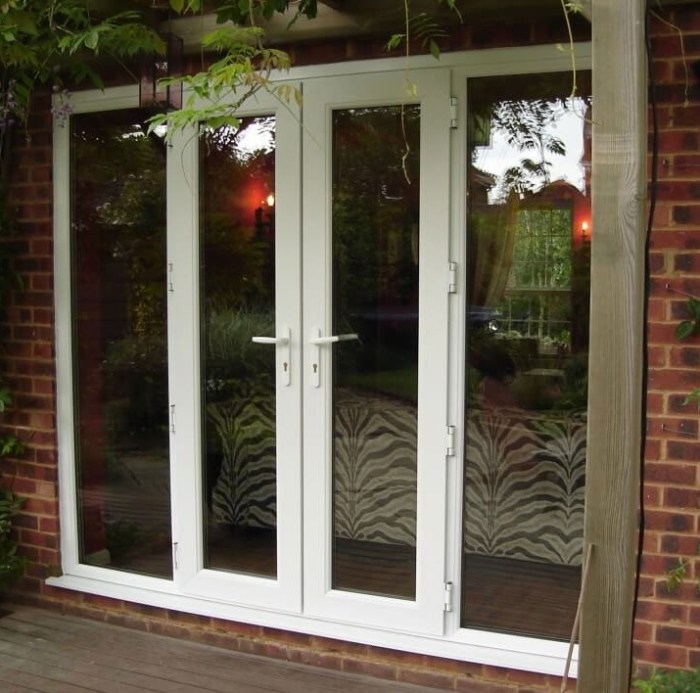
UPVC doors offer a blend of affordability, security, and durability. Their low maintenance and resistance to warping make them suitable for various climates and building types. Wood doors, while aesthetically pleasing, often require more maintenance and can be more susceptible to damage from weather elements. High-quality wood doors with proper sealing and treatment can still be a suitable choice for specific applications.
Cladding Applications
UPVC cladding offers a cost-effective way to enhance the aesthetic appeal and improve the energy efficiency of a building. Its consistent color and easy installation make it attractive for modern and contemporary designs. Wood cladding provides a warm and natural aesthetic. However, the inherent maintenance requirements and vulnerability to rot and insects are significant factors to consider. Specific treatments and regular maintenance are essential for the long-term durability of wood cladding.
Performance in Different Climates
UPVC’s inherent resistance to moisture and temperature fluctuations makes it a robust choice for diverse climates. Its performance remains consistent regardless of humidity or extreme temperatures. Wood, while offering excellent insulation properties in some climates, can be susceptible to rot and warping in high-humidity environments. Proper sealing and treatments can mitigate these issues, but UPVC often offers a more predictable performance.
Design Choices and Suitability
Design choices significantly influence the suitability of UPVC or wood. A modern, minimalist design might favor UPVC’s clean lines and consistent appearance. A more traditional or rustic design, however, might better leverage the natural beauty of wood.
Choosing between UPVC and wood for exterior applications hinges on factors like budget and desired aesthetic. However, before you dive into the material comparison, ensure you accurately measure your walls for any decorative wall murals, which can be tricky. Knowing how to measure walls for deco wall murals, like how to measure walls for deco wall murals , is crucial.
This detailed process helps you get the right size murals, avoiding costly mistakes later on. Ultimately, UPVC often offers a more budget-friendly solution, while wood provides a richer, more natural look. Proper measurement is key to both choices.
Comparative Table of Best Uses
| Building Type | Best Use for UPVC | Best Use for Wood |
|---|---|---|
| Modern Homes | Windows, doors, cladding | Doors, cladding (with appropriate treatments) |
| Traditional Homes | Windows, doors | Windows, doors, cladding (with appropriate treatments) |
| Commercial Buildings | Windows, doors, cladding | Exterior cladding (with appropriate treatments) |
Real-World Examples
Numerous projects successfully incorporate both UPVC and wood. For instance, many modern apartment complexes use UPVC windows for their cost-effectiveness and durability. Meanwhile, luxury homes frequently utilize high-quality wood doors and cladding for their aesthetic appeal. Careful selection of materials and treatments ensures long-term performance, regardless of the building type.
Future Trends and Developments
The exterior materials landscape is constantly evolving, driven by technological advancements, changing environmental concerns, and evolving architectural styles. Understanding these trends is crucial for informed decision-making in construction and design, ensuring buildings are not only aesthetically pleasing but also sustainable and future-proof. This section delves into the emerging trends shaping the future of UPVC and wood in exterior applications.
Emerging Trends in Exterior Materials
The building materials industry is experiencing a significant shift towards sustainable and high-performance options. This is largely driven by increasing awareness of environmental issues and the need for more durable, low-maintenance solutions. Composite materials, advanced coatings, and innovative manufacturing processes are playing a key role in this transformation.
Innovative Materials and Techniques
Numerous innovative materials and techniques are gaining traction in exterior applications. These include advanced polymer composites with enhanced durability and aesthetic appeal, self-cleaning coatings that reduce the need for maintenance, and smart materials that respond to environmental conditions. For instance, the use of bio-based polymers derived from renewable resources is growing, offering a sustainable alternative to traditional plastics.
Potential Impact of Future Technology on UPVC and Wood, Upvc versus wood for exterior applications
Technological advancements are likely to influence the use of both UPVC and wood in significant ways. 3D printing, for example, could lead to customized designs and complex shapes for both materials. Advanced coatings and treatments can improve the performance and longevity of both materials, enhancing their resistance to weathering, pests, and other environmental factors. This could lead to more creative architectural possibilities and increased lifespan of structures.
Evolving Sustainability Standards and Material Choices
Growing environmental awareness is driving stricter sustainability standards for building materials. This includes regulations on material sourcing, carbon footprint, and recyclability. Both UPVC and wood producers are responding to these changes by developing more sustainable practices. For example, recycled content in UPVC products is increasing, and wood sourced from responsibly managed forests is becoming more prevalent.
Architectural Preferences and the Use of UPVC and Wood
Architectural trends are also influencing the choice between UPVC and wood. Modern architecture often prioritizes clean lines, minimalist designs, and large expanses of glass. These preferences often favour UPVC for its ability to create seamless, uninterrupted facades. However, the inherent beauty and warmth of wood remain highly sought after in many design styles, especially in more traditional or eco-conscious projects.
The growing popularity of biophilic design, which emphasizes the connection between humans and nature, also plays a role in the demand for wood in exterior applications.
End of Discussion: Upvc Versus Wood For Exterior Applications
In conclusion, the choice between UPVC and wood for exterior applications is a multifaceted decision. Factors like budget, desired aesthetic, climate, and long-term maintenance play pivotal roles. Ultimately, the ideal material depends on individual priorities and project specifics. This comprehensive comparison equips you with the knowledge to make an informed decision, leading to a lasting and visually appealing exterior.
The choice is yours, but now you have the tools to make it wisely.